

The Roman Amphitheatre, Alexandria
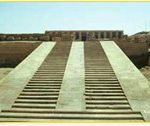
Over 30 years of excavation have uncovered many Roman sites including this well preserved amphitheatre with marble seats for up to 800 spectators , galleries and sections of mosaic – flooring .
In Ptolemaic times this area was the park of pan , a recreational garden surrounded by roman villas and baths.
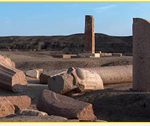
Pompey’s Pillar ( Alexandria ) It is a 23 meters high red granite column , constructed in honour of Emperor Diocletian , originally part of the temple of Serapis , once a magnificent structure rivalling the Soma and the Caesareum .
Other remains in the same area include two pink granite sphinxes . Nearby are subterranean galleries , where the sacred Apis bulls were buried .
The Catacombs of Kom El-Shoqafa, Alexandria
This warren of tombs on three levels houses the triclinium , where relatives used to sit on stone benches to feast the dead , and a central tomb with reliefs of bearded serpents . Inside are 2nd century statues of the Egyptian gods Sobek and Anubis wearing Roman armour .
El-Shatby Necropolis, Alexandria
Built in the style of the old Greek houses , it comprises a doorway , corridor and two chambers . It dates back to the 3rd century B C and lies North of St.Mark’s college .
El-Shatby Necropolis, Alexandria
The El-Shatby Necropolis stands as one of the most remarkable and historically significant burial sites in Alexandria. Its architectural design, inspired by ancient Greek residential houses, provides a captivating insight into the fusion of Hellenistic and Egyptian cultural influences during the Ptolemaic period. Constructed around the 3rd century B.C., this necropolis is a testament to the deep-rooted connections between Greece and Egypt, reflecting their shared heritage and the blending of their distinct traditions.
The layout of the El-Shatby Necropolis mimics the structure of a classic Greek house. Upon arrival, visitors are greeted by a grand entranceway, meticulously crafted to resemble the doorways of ancient Greek residences. This feature alone showcases the emphasis placed on blending functionality with artistic detail, even in spaces meant for the dead. The doorway leads into a long, narrow corridor, which was likely designed to create a sense of transition—a symbolic passage from the world of the living to the eternal resting place of the deceased.
This corridor opens into two separate burial chambers, each carefully constructed and adorned with subtle yet meaningful details. The chambers were used as final resting places for members of the upper classes or prominent families, highlighting the importance of social status even in death. These chambers are thought to have been richly decorated, though much of their ornamentation has been lost over time. However, the remaining elements still provide a vivid glimpse into the artistry and cultural practices of the era.
El-Shatby Necropolis offers much more than architectural significance. It serves as a valuable repository of historical and cultural information. The funerary practices associated with this site shed light on how the people of Alexandria viewed death, the afterlife, and their connection to the divine. The Greek influence is evident in the overall design, but the presence of Egyptian motifs and symbols within the site hints at a deeper, more complex interplay of beliefs. The Ptolemaic period was a time of great cultural exchange, and the necropolis is a prime example of how these interactions manifested in tangible ways.
Located just north of St. Mark’s College, the necropolis is easily accessible to modern visitors. Its proximity to other significant landmarks makes it an essential stop for those exploring Alexandria’s rich history. Walking through the site, one can imagine the reverence with which it was constructed and the solemn ceremonies that must have taken place there. The doorway, corridor, and chambers together form a harmonious design, emphasizing the balance and symmetry prized by ancient Greek architects.
While its primary function was as a burial ground, the El-Shatby Necropolis also serves as an enduring monument to the ingenuity and creativity of the ancient world. The decision to model the necropolis after Greek homes was not merely an aesthetic choice; it reflected the belief that the dead should be honored and provided with a comfortable, familiar space for their journey into the afterlife. This practice underscores the importance of family, tradition, and respect for the deceased in ancient society.
Over the centuries, the necropolis has withstood natural and human-induced challenges. Despite the passage of time and the inevitable wear and tear, it remains a remarkably well-preserved site, offering invaluable insights into the past. Archaeologists and historians continue to study the El-Shatby Necropolis, uncovering new details about the people who built it, those who were buried there, and the society that surrounded it. Every discovery adds another layer to our understanding of Alexandria’s role as a cultural and intellectual hub during the Hellenistic period.
The site’s historical significance is matched by its cultural and educational value. It provides modern-day visitors with a tangible connection to the past, allowing them to step back in time and experience the traditions and beliefs of ancient Alexandria. The necropolis also serves as a poignant reminder of the universality of certain human experiences—mourning, remembrance, and the desire to honor loved ones who have passed away.
In addition to its architectural and historical appeal, the El-Shatby Necropolis is surrounded by an air of mystery. Many aspects of its construction and use remain the subject of speculation and research. For instance, questions about the specific individuals buried there, the exact nature of the rituals performed, and the extent of its original decorations continue to intrigue scholars and visitors alike. These unanswered questions add to the allure of the site, making it a compelling destination for anyone interested in history, archaeology, or ancient culture.
Visiting the El-Shatby Necropolis is a unique experience that combines education, reflection, and awe. As one walks through the site, it is impossible not to be struck by the sheer ingenuity and dedication of the ancient builders. The attention to detail in the construction, the thoughtful integration of cultural elements, and the enduring beauty of the design all contribute to the site’s enduring appeal.
For those exploring Alexandria, the El-Shatby Necropolis is more than just a historical landmark—it is a journey into the heart of the city’s past. It offers a chance to connect with the people who lived there thousands of years ago, to understand their values and beliefs, and to appreciate the artistry and innovation that defined their world. Whether you are a history enthusiast, an archaeology buff, or simply a curious traveler, the necropolis is sure to leave a lasting impression.
In conclusion, the El-Shatby Necropolis is a shining example of Alexandria’s rich and diverse heritage. Its unique blend of Greek and Egyptian influences, its architectural elegance, and its historical significance make it a must-visit destination. As a window into the past, it provides a deeper understanding of the city’s role as a cultural crossroads and a center of innovation. The necropolis is not just a burial site; it is a testament to the enduring legacy of ancient Alexandria and the timeless beauty of its art and architecture.